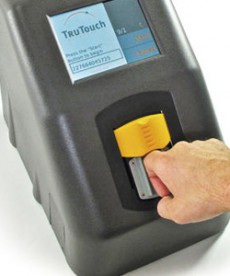
Compulsory daily alcohol testing could become a routine part of office life if a new generation of sensors gets the go-ahead from private and public companies. The AlcoSense TruTouch scanning device takes just eight seconds to determine an individual’s blood-alcohol content, making it possible for the whole workforce to be tested.
Union bosses have met the development with dismay, with Unison general secretary Dave Prentis arguing: “If workers have a problem with alcohol, their employers should not be relying on a gadget to entrap them but should be providing them with proper support.”
However, while Prentis is correct that companies should support those workers who have alcohol problems, it is unclear why this is not compatible with testing. In fact, if workers knew that they were likely to face testing every day, they would surely be less likely to drink during the week – although this would still leave open the possibility of unhealthy weekend binge drinking.
Suzannah Robin, director of the gadget’s manufacturer AlcoDigital, pointed out: “One of the things that companies say to us is that if they bring in random testing then individuals feel like they are being targeted. But this way it involves everyone from the managing director down.” It is this element of everyone being treated the same which means that this need not be an unfair move against workers. Companies have every right to expect their workers to turn up in a fit state for work, and there has been concern over the productivity lost when workers suffer from hangovers. Conversely, a certain level of drinking is often seen as beneficial for employee bonding and improving morale, and a constant “Big Brother” eye on that culture could be to its detriment.
Any moves to bring in this instant testing should certainly be done in the wake of consultation with unions and workers. If implemented with fairness and equality – and with companies still providing proper support for those who struggle with alcohol – it could be mutually beneficial for companies and workers.